Handicap Ramp Replacement in Wilmington, NC
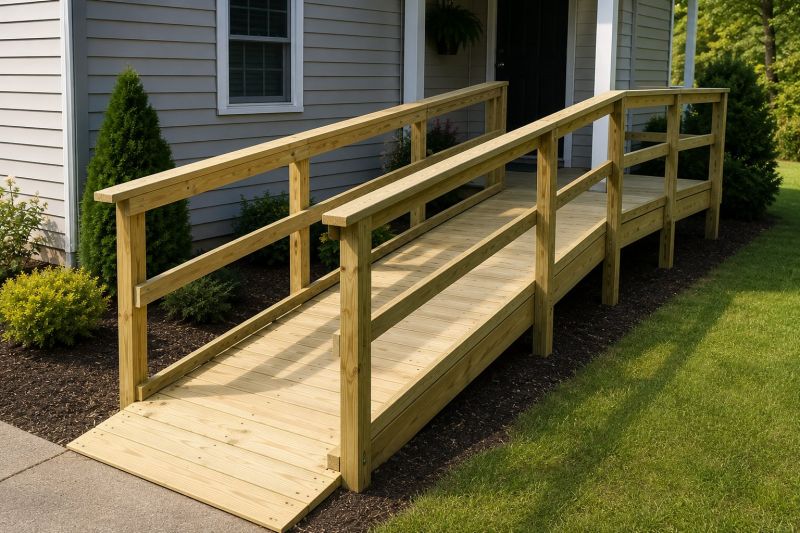
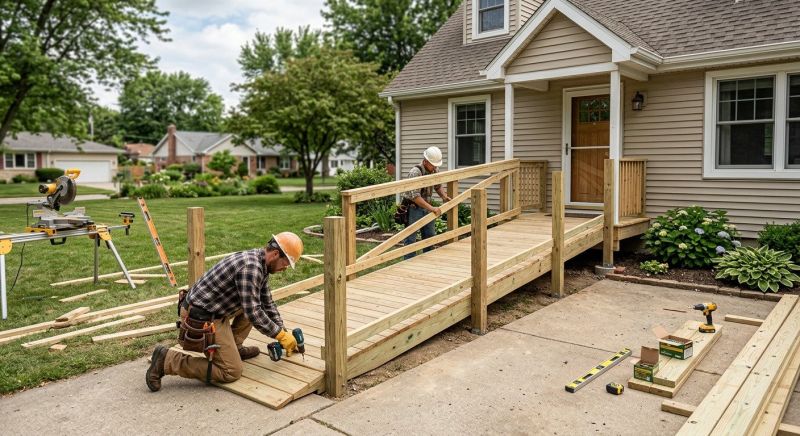
Handicap ramp replacement services involve removing existing ramps that no longer meet safety, accessibility, or aesthetic standards and installing new, durable ramps to improve mobility around a property. These projects typically cover various types of ramps, including those attached to residential homes, commercial buildings, or multi-family residences, ensuring that entryways are accessible for individuals with mobility challenges. Property owners often seek this service when existing ramps are damaged, outdated, or no longer compliant with accessibility needs, aiming to enhance safety and usability for residents, visitors, or clients.
Before requesting a handicap ramp replacement, property owners usually want to understand the scope of work involved, including the materials used, the structural requirements, and the overall design options. It’s also helpful to consider the specific accessibility needs, such as the ramp’s slope, width, and surface type, to ensure the new installation fully supports safe and convenient access. Clarifying these details can help determine the most suitable ramp solution that aligns with the property’s layout and the user’s mobility requirements.
Many property owners in Wilmington, NC look into Handicap Ramp Replacement for repairs, replacements, upgrades, and appearance-related improvements.
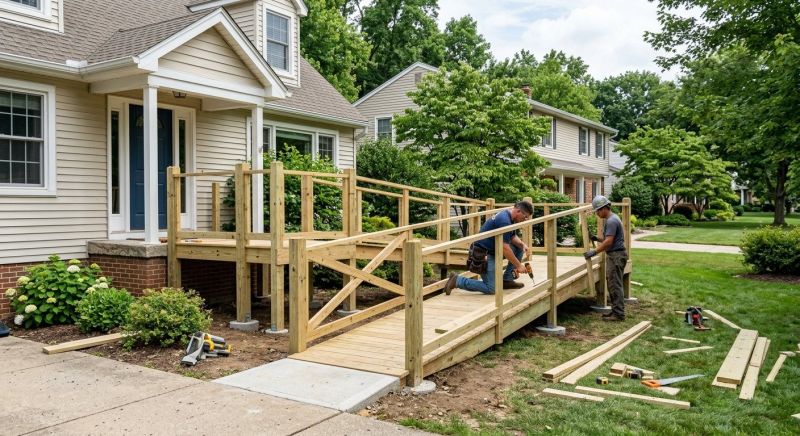
Accessibility Improvements
Replacing worn or damaged ramps enhances safety and ease of access for all visitors.
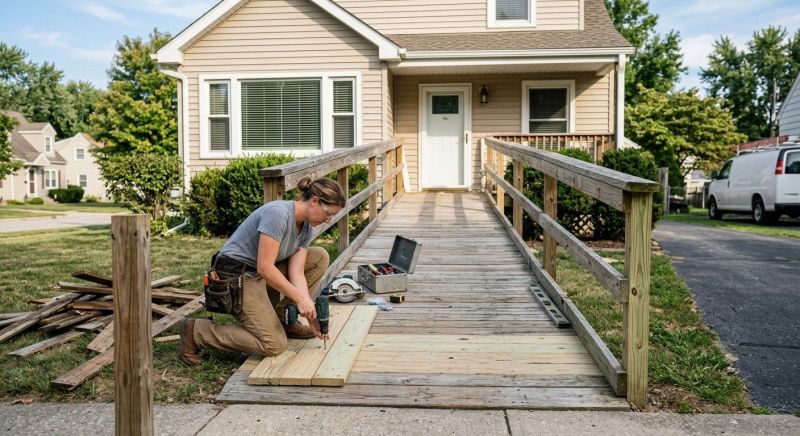
Customized Ramp Solutions
Services include designing and installing ramps that suit various property types and mobility needs.
Property Value Enhancement
Upgrading handicap ramps can improve the functionality and appeal of residential and commercial properties in wilmington, nc.
Handicap Ramp Replacement in Wilmington, NC
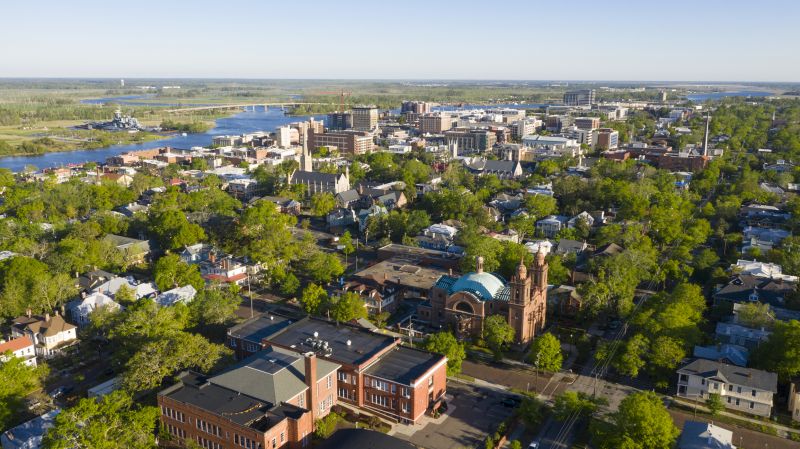
Handicap ramp replacement services involve removing existing ramps that no longer meet safety, accessibility, or aesthetic standards and installing new, durable ramps to improve mobility around a property. These projects typically cover various types of ramps, including those attached to residential homes, commercial buildings, or multi-family residences, ensuring that entryways are accessible for individuals with mobility challenges. Property owners often seek this service when existing ramps are damaged, outdated, or no longer compliant with accessibility needs, aiming to enhance safety and usability for residents, visitors, or clients.
Before requesting a handicap ramp replacement, property owners usually want to understand the scope of work involved, including the materials used, the structural requirements, and the overall design options. It’s also helpful to consider the specific accessibility needs, such as the ramp’s slope, width, and surface type, to ensure the new installation fully supports safe and convenient access. Clarifying these details can help determine the most suitable ramp solution that aligns with the property’s layout and the user’s mobility requirements.
Many property owners in Wilmington, NC look into Handicap Ramp Replacement for repairs, replacements, upgrades, and appearance-related improvements.
Common Handicap Ramp Replacement Jobs
Handicap Ramp Replacement - upgrading existing ramps to improve safety and accessibility for all users.
Residential Ramp Replacement - replacing worn or outdated ramps to ensure smooth and secure entry points.
Commercial Ramp Replacement - updating business entrances to meet accessibility standards and regulations.
Custom Ramp Replacement - designing and installing tailored ramps to fit unique property layouts.
Threshold Ramp Replacement - replacing or installing threshold ramps to ease transitions between rooms or outside areas.
Portable Ramp Replacement - upgrading portable ramps for better stability and durability during frequent use.
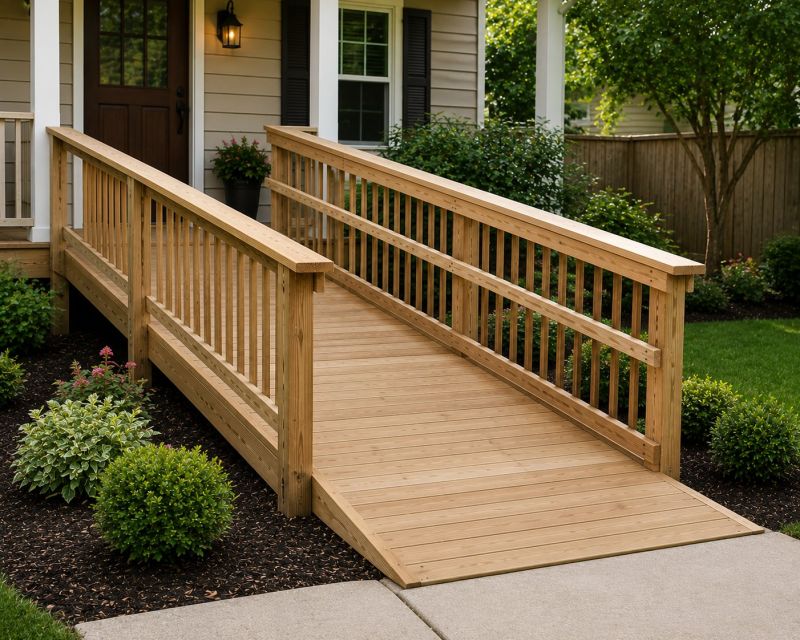
Handicap Ramp Replacement Questions
What types of handicap ramp replacement projects are common? Typical projects include replacing worn or damaged ramps, upgrading to ADA-compliant designs, and customizing ramps for specific property layouts.
How can I tell if a ramp needs replacement? Signs include structural damage, rust, loose fittings, or if the ramp no longer meets accessibility needs.
What materials are used for handicap ramp replacements? Common materials include aluminum, steel, and pressure-treated wood, chosen for durability and safety.
Are there design options for different property types? Yes, ramps can be customized to match various property styles and accessibility requirements.
Request Handicap Ramp Replacement in Wilmington, NC
Use the quote form on this page to share the basics of your project and request more information for the type of work you need.